Quan Nguyen Minh

I am currently a second-year PhD student at the University of Florida, conducting research in trustworthy and secure AI, foundation models, and federated learning. Previously, I received my Bachelor degree in Biomedical Engineering from Hanoi University of Science and Technology and my Master degree in Biomedical Computing from Technical University of Munich (TUM).

Email  /  CV  /  Google Scholar  /  Github

profile photo
Research

I am passionate about trustworthy AI and scalable decentralized machine learning. Representative papers are highlighted.

Leveraging Soft Prompts for Privacy Attacks in Federated Prompt Tuning
Quan Minh Nguyen, Min-Seon Kim, Hoang M. Ngo, Trong Nghia Hoang, Hyuk-Yoon Kwon, My T. Thai
Preprint

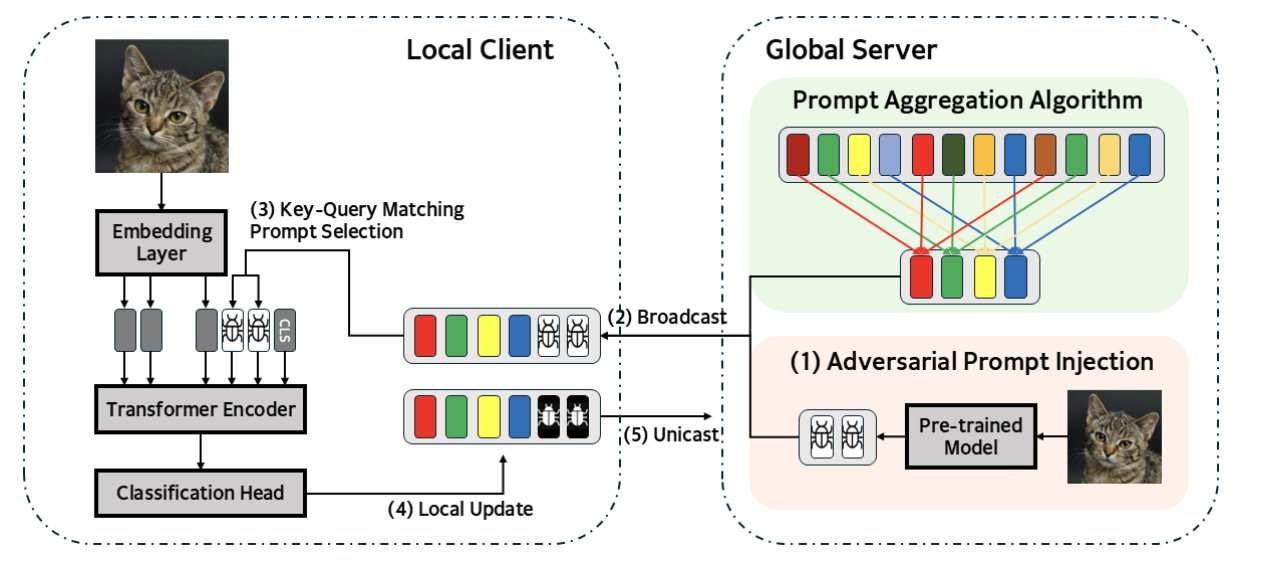
We propose PromptMIA, a membership inference attack tailored to federated prompt-tuning, in which a malicious server can insert adversarially crafted prompts and monitors their updates during collaborative training to accurately determine whether a target data point is in a client's private dataset. We formalize this threat as a security game and empirically show that PromptMIA consistently attains high advantage in this game across diverse benchmark datasets. Our theoretical analysis further establishes a lower bound on the attack's advantage which explains and supports the consistently high advantage observed in our empirical results.

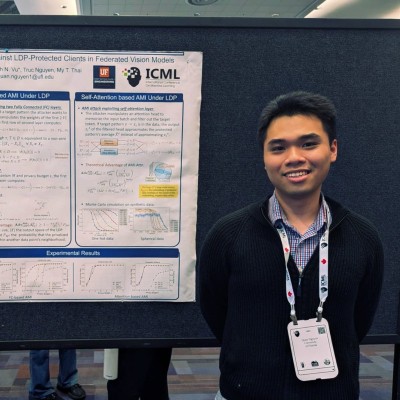
Unmasking Inference Attacks against LDP-Protected Clients in Federated Vision Models
Quan Minh Nguyen*, Minh N. Vu*, Truc Nguyen, My T. Thai
ICML โ€™25

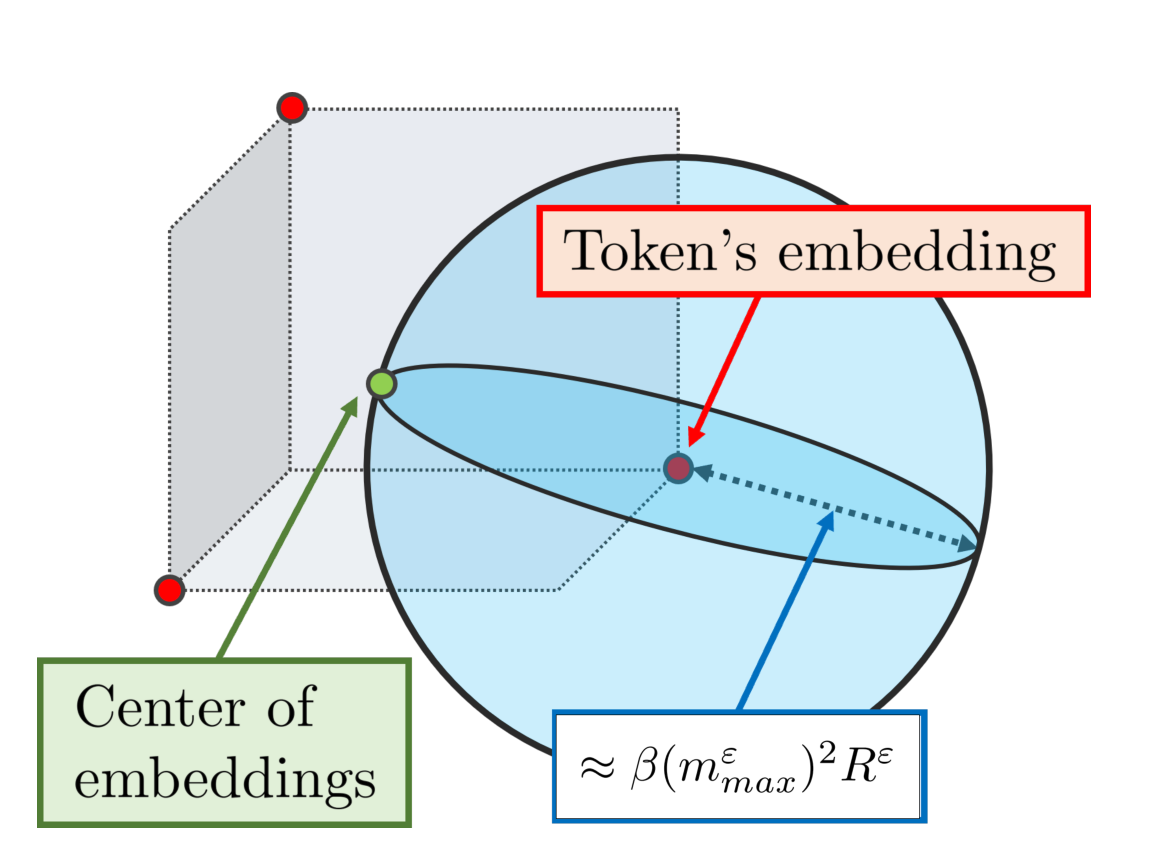
We derive theoretical lower bounds for the success rates of low-polynomial time MIAs that exploit vulnerabilities in fully connected or self-attention layers. We establish that even when data are protected by LDP, privacy risks persist, depending on the privacy budget. Practical evaluations on federated vision models confirm considerable privacy risks, revealing that the noise required to mitigate these attacks significantly degrades models' utility.

Q-ShiftDP: A Differentially Private Parameter-Shift Rule for Quantum Machine Learning
Hoang M.N., Nhat H.X., Quan Minh Nguyen, Nguyen H.K.D., Incheol Shin, My T. Thai
AISTATS โ€™26

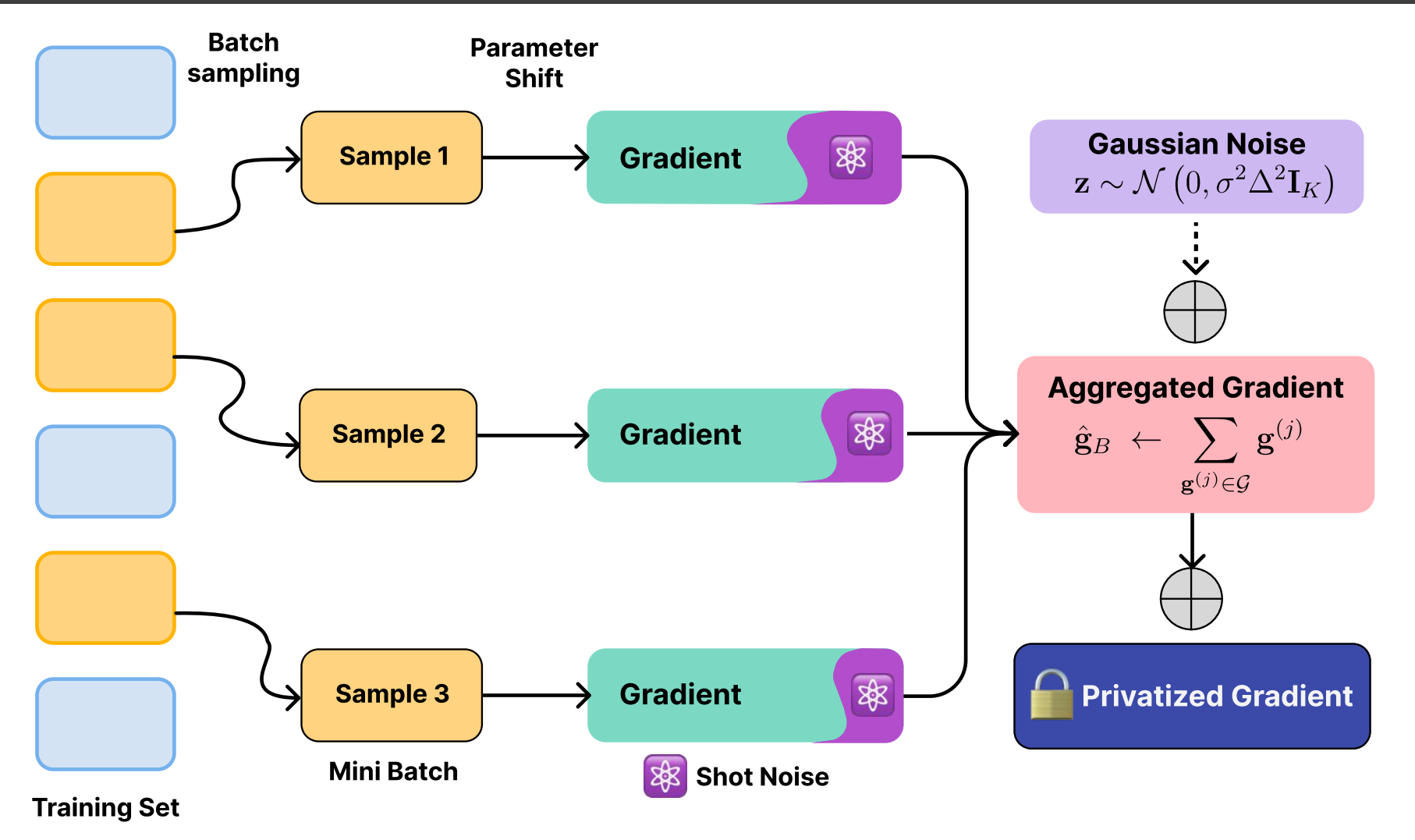
In this work, we introduce the Differentially Private ParameterShift Rule (Q-ShiftDP), the first privacy mechanism tailored to Quantum ML.

Advancing 3D ICE: Challenges and Deep Learning Strategies in Atrium Segmentation
Martina Casagrande, Quan Nguyen, Ivan Dudurych, Christoph Hennersperger, Stefan Wรถrz
IEEE IUS โ€™24

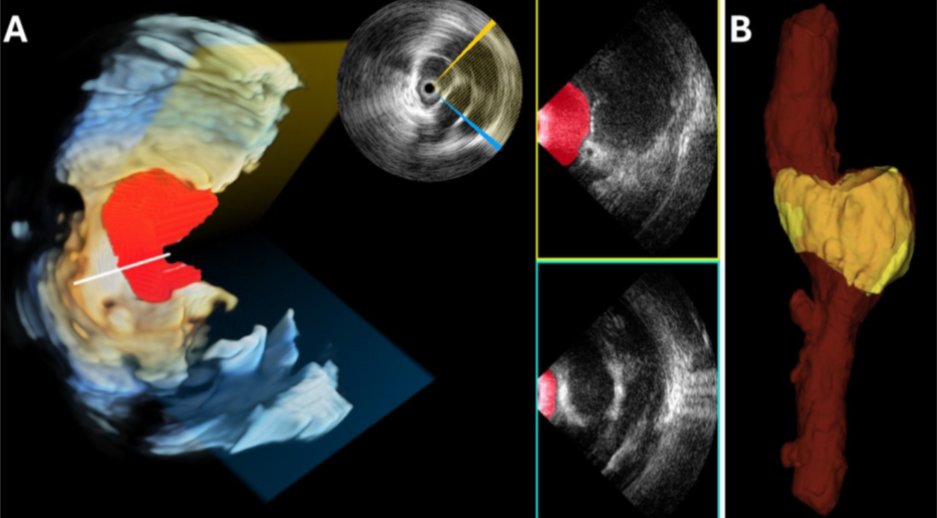
In this work, we present deep learning solutions for 3D intracardiac echocardiography segmentation and outline key challenges for real-time clinical deployment.

FedDCT: Federated Learning of Large Convolutional Neural Networks on Resource Constrained Devices using Divide and Collaborative Training
Quan Nguyen Minh, Hieu H. Pham, Kok-Seng Wong, Phi Le Nguyen,
Truong Thao Nguyen, Minh N. Do
IEEE Transactions of Network and Service Management, 2023. arxiv / IEEE / Google Scholar /

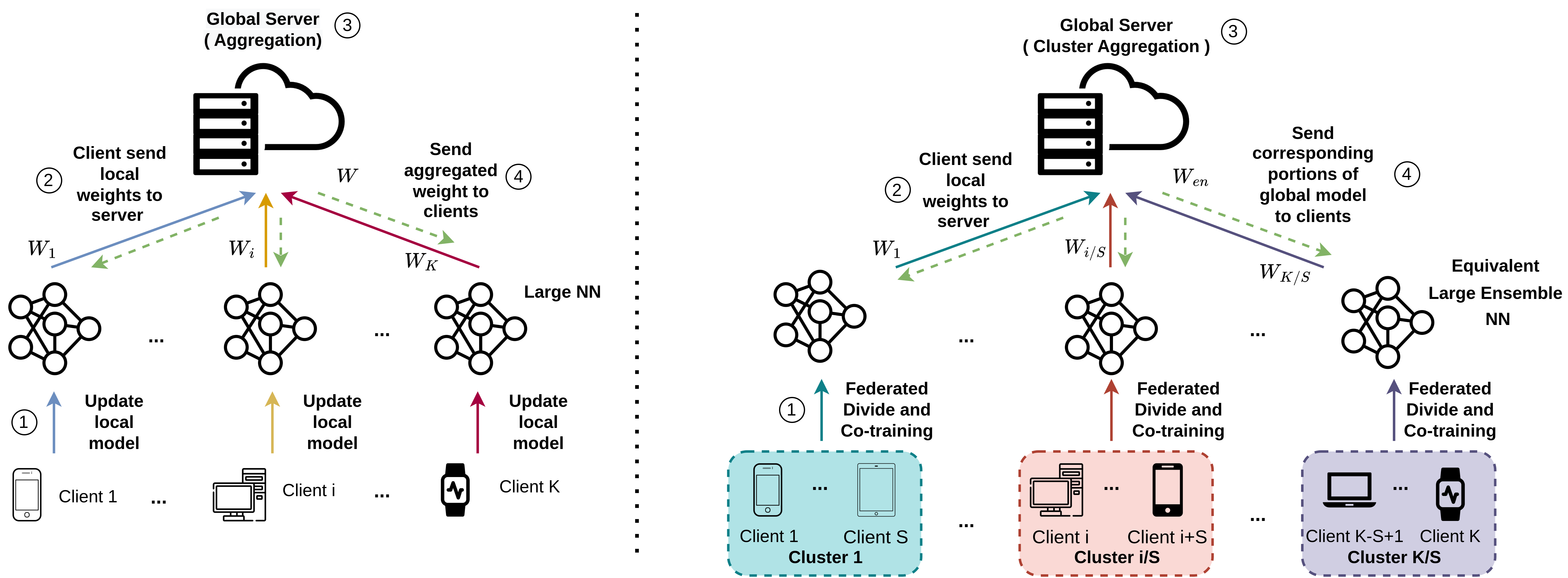
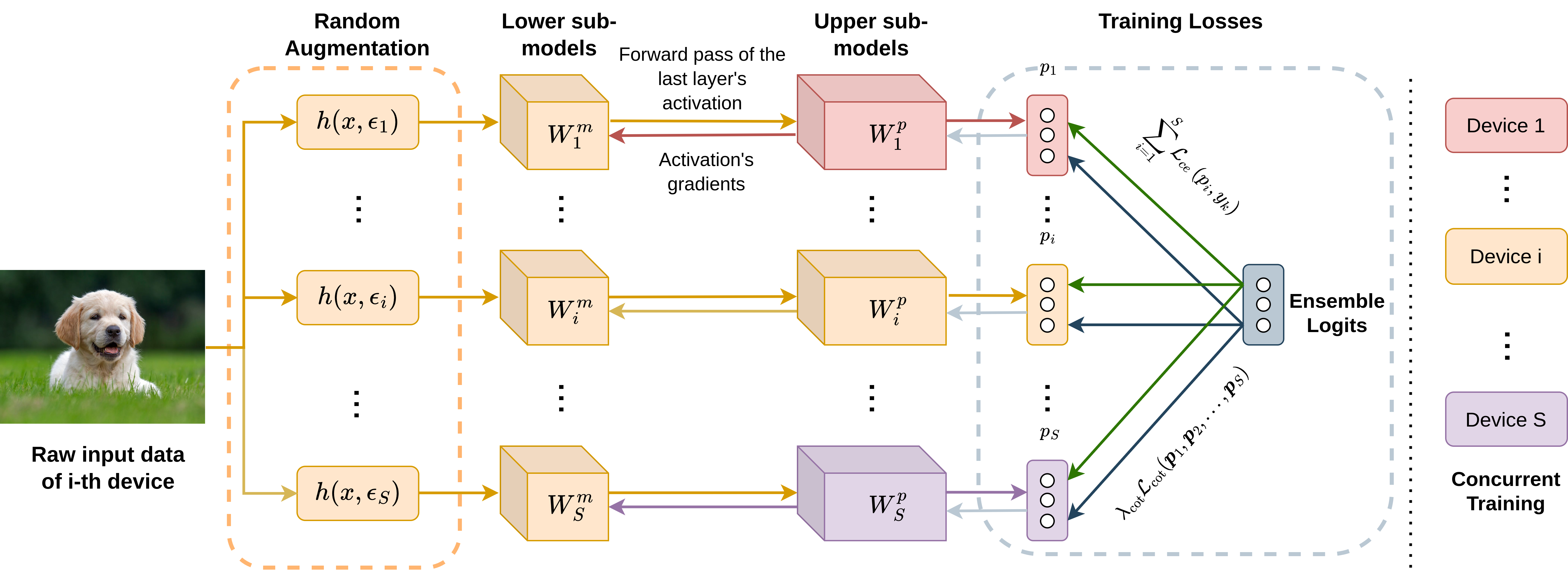
We propose FedDCT (Federated Divide and Collaborative Training), a novel FL architecture that allows for DCML with considerably lower client memory requirements over traditional FL while introducing no additional training cost on the central server. FedDCT enables a cluster of several clients to cooperatively train a large deep learning model, in contrast to standard FL, which demands that each client train the full-size neural network independently during each training round.

ARPD: Anchor-free Rotation-aware People Detection using Topview Fisheye Camera
Quan Nguyen Minh, Bang Le Van, Can Nguyen, Anh Le and Viet Dung Nguyen
AVSS, 2021   (Oral Presentation)
arxiv / IEEE / Google Scholar / bibtex

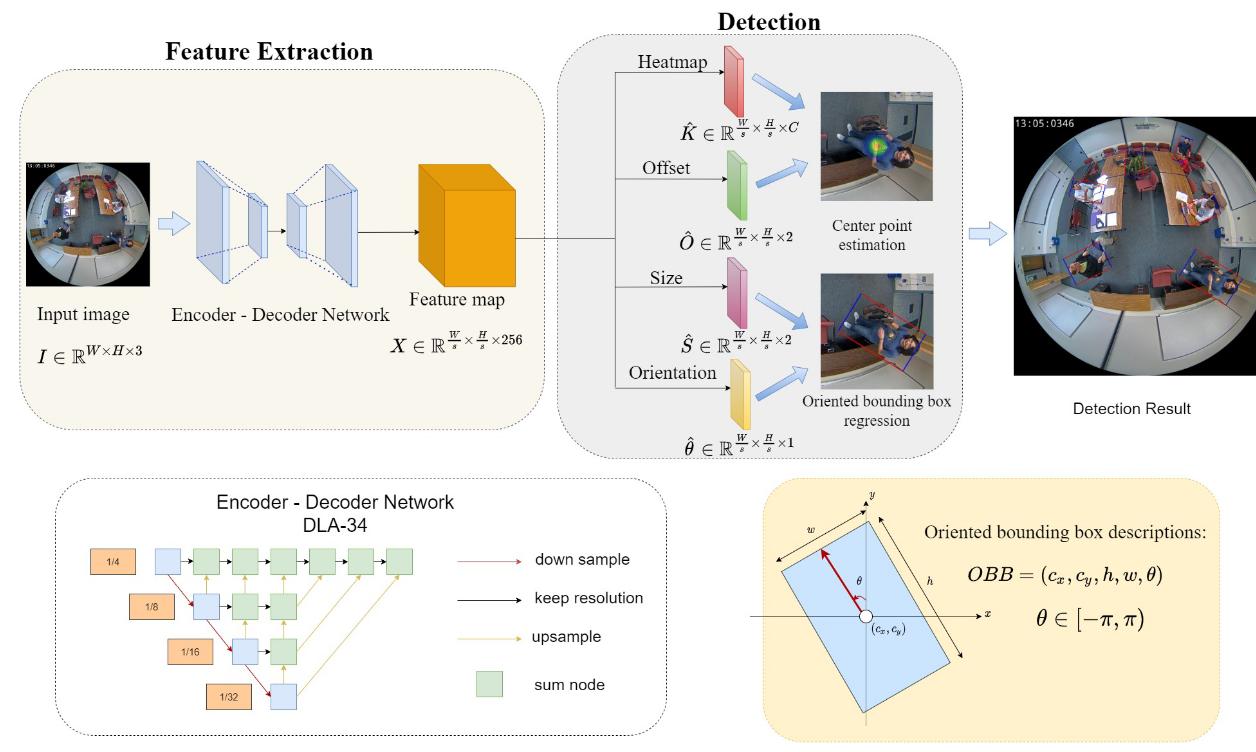
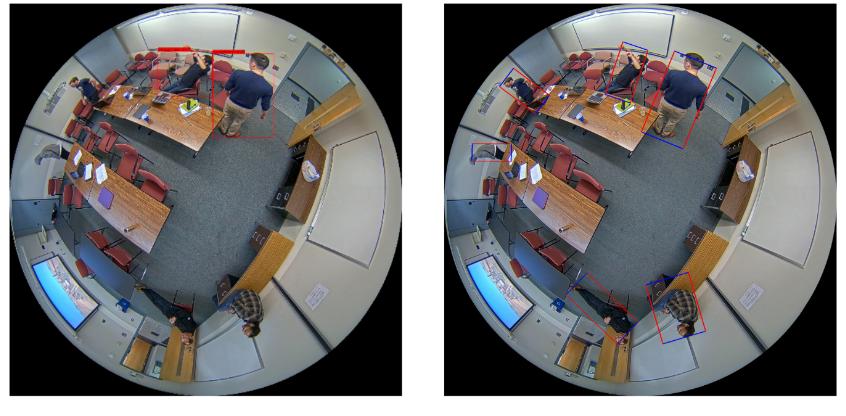
In this work, we propose ARPD, a single-stage anchor-free fully convolutional network to detect arbitrarily rotated people in fish-eye images. Our network uses keypoint estimation to find the center point of each object and regress the object's other properties directly. To capture the various orientation of people in fish-eye cameras, in addition to the center and size, ARPD also predicts the angle of each bounding box.

Incorporation of Panoramic View in Fall Detection Using Omnidirectional Camera
Viet Dung Nguyen, Phuc Ngoc Pham, Xuan Bach Nguyen, Thi Men Tran,
Quan Nguyen Minh.
Intelligent Systems and Networks, 2021.
Springer / Google Scholar / bibtex

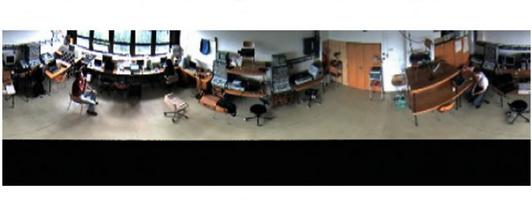
The aim of this work is to incorporate the de-warping of fisheye image using polar to Cartesian transformation to generate a panoramic view to aid in fall detection.

Language

  English (IELTS 8.5), German (A2)

Awards

  2026 CISE Graduate Scholarship, University of Florida
  2023 Scholarship - Modern Machine Learning: Foundations and Applications Program
  2023 Scholarship - 9th Vietnam Summer School of Science
  2022 First prize, Vietnam AI Day (VAIPE: Protective healthcare monitoring)
  2021 Third prize, HUST Academic Research Contest
  2020 Academic Incentive Scholarship, HUST
  2019 Scholarship - FPT Center for Young Talents
  2018 International Exchange Scholarship at Temasek Polytechnic

(Mostly) Open Source Projects
Federated Divide and Cotraining

This repository contains the code and experiments for the paper FedDCT:Federated Divide and Collaborative Training, accepted to IEEE Transactions on Network and Service Management
Github

NIST FRVT 1:1 Face Recognition Vendor Test

I worked in a team with other engineers from VHT to design face recogntion algorithms to participate in NIST FRVT 1:1 Verification Test. NIST provides independent evaluations of commercially available and prototype face recognition technologies. Our submission achieved respectable results.

Simple Online Realtime Tracking (SORT) in Java

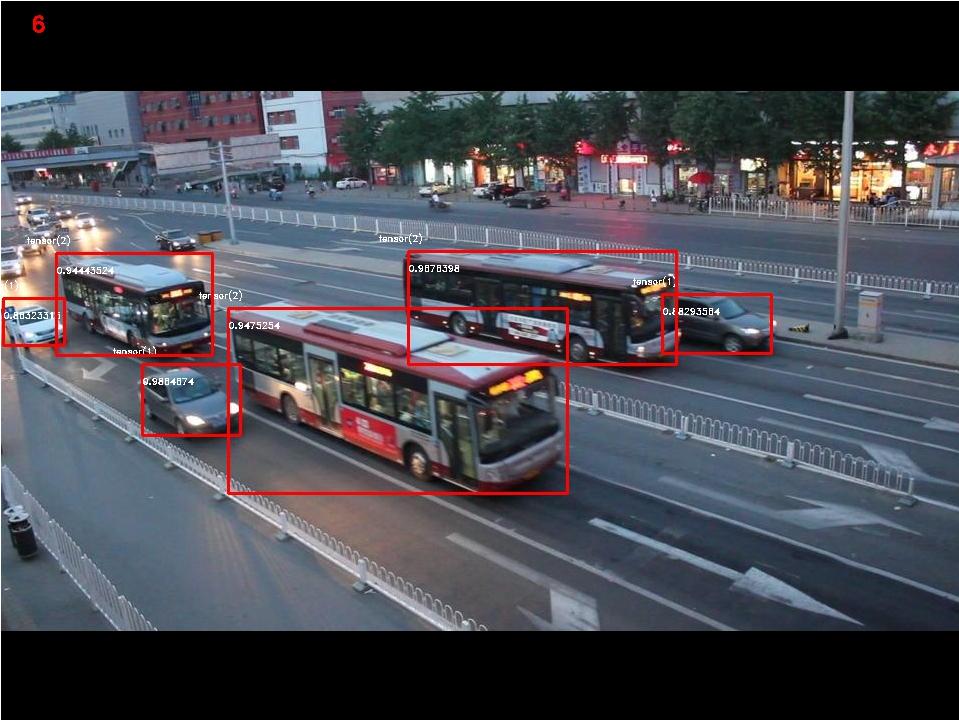
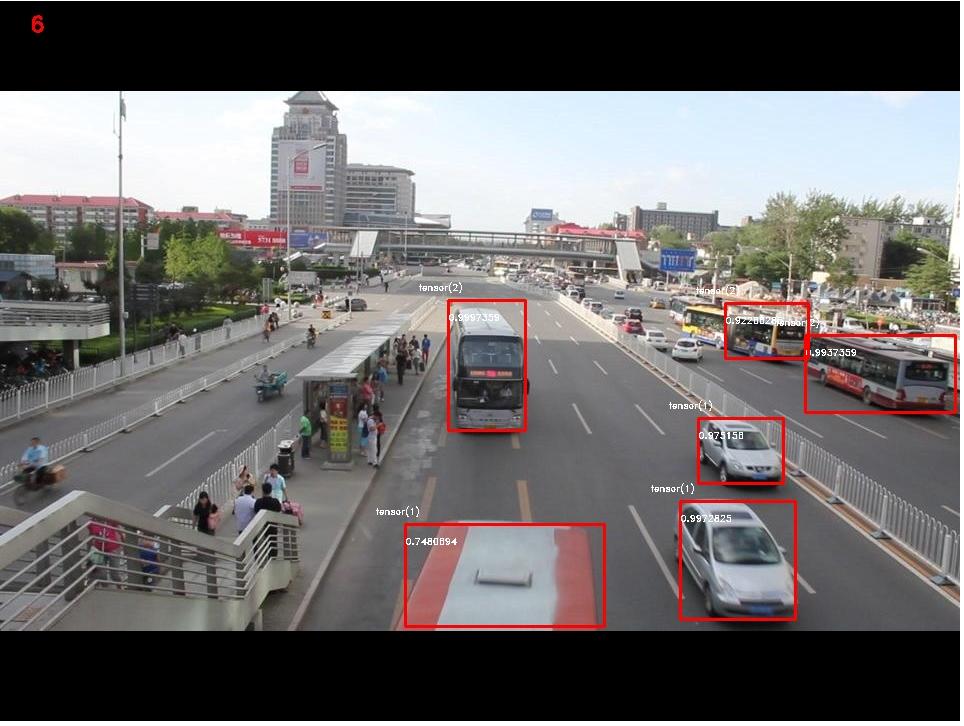
I reimplemented the famous SORT tracking algorithm from scratch in Java using only OpenCV. Was a fun project to code and i applied this for tracking Vehicle on edge devices.
Github

Ultra-light Vehicle Detection using Tiny-Mobilenet-SSD

I redesigned the classic Mobilenet-SSD network to reduce FLOPS and Params while keeping good accuracy. I pruned the backbone manually, modify the feature map size and anchor configs. The detector achieves 30 FPS on Intel CPU while keeping respectable accuracy.
Github

Analytical Tomographic Image Reconstruction

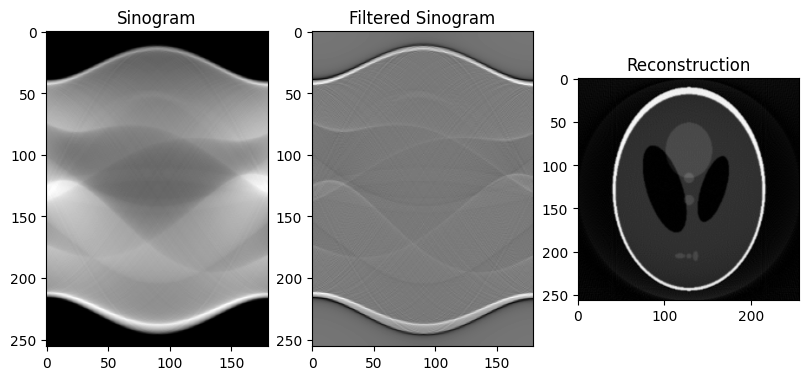
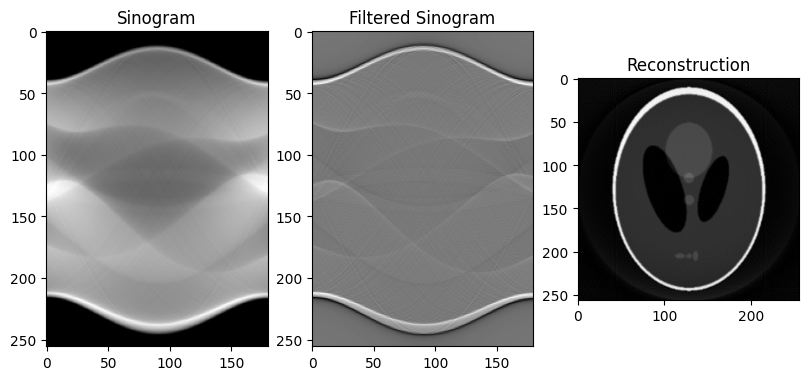
This collection of Python code provides implementations for various analytical tomographic image reconstruction algorithms. These algorithms play a crucial role in transforming projection data into detailed images, making them valuable tools in medical imaging, materials science, and more. Included are Fourier Gridding, Backproject Filter, Filtered Backprojection and Convolve Backproject
Github